Trato Lending | Real Estate Investment Lending Services
Trato Lending

Real estate investment financing

Trato Lending | Trato Lenders | Lending Services | Lending Companies | Lending Company | Lending Institutions | Lending Institution | Lending Providers | Lending Provider | Lending Administration | Lending Process | Lending Service | Lend | Lends | Lender

Built around
your next move.

Every investment has a different path. Trato Lending helps you explore financing around the property you are buying, the work you are planning and the way you intend to repay the loan.

Trato Lending / Real estate investors

Explore your next transaction with Trato Lending by organizing the property details, capital requirements and repayment plan. Whether you are comparing lending companies, lending institutions or independent lending providers, begin with the investment objective and the lending services your project requires. Ask each lender what it may lend, where it lends and how its lending process fits your purchase, renovation or rental strategy.

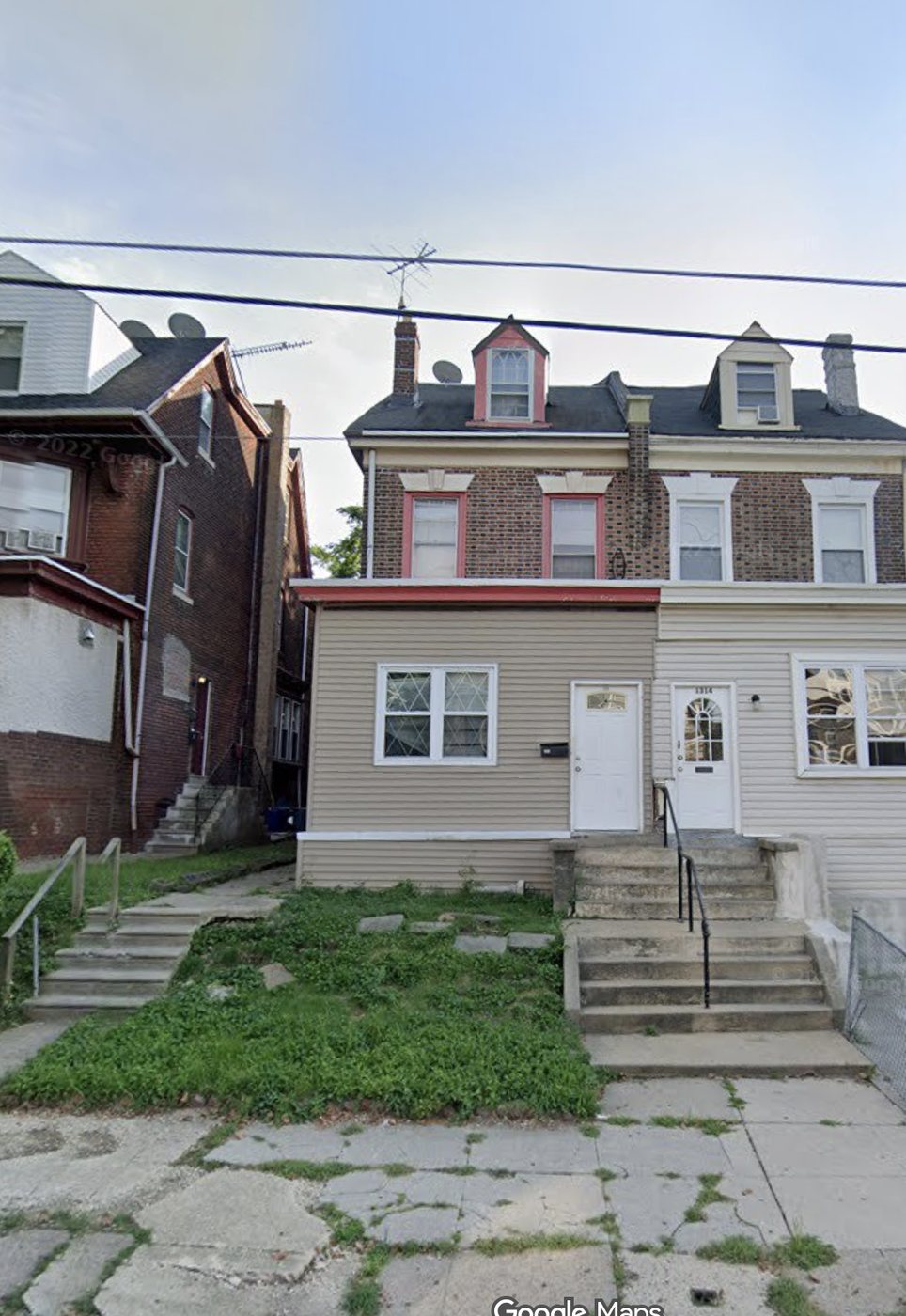
Brick residential property in Philadelphia
Property photography from the Trato Lending portfolio.
Fix and flipRental investmentBridge financingNew construction

01 / Explore your options

One real estate investment. Several financing options with Trato Lending. Explore DSCR loans, fix and flip loans, rehab loans, bridge loans and ground-up construction loans. Connect with a lender to discuss rental property financing, investment property loans and capital for your next purchase, renovation or construction project.

Buying to renovate is different from buying to hold, and choosing a lender starts with understanding that difference. A bridge transaction has a different repayment horizon from a rental refinance, so begin with your intended outcome before comparing lending companies, lending institutions, and lending providers. Evaluate each lending company, lending institution, and lending provider based on the structure, timing, documentation, and lending services available for your transaction. Ask how the lending process works, what lending administration involves, and whether a particular lending service fits your renovation, purchase, or refinance strategy. When reviewing Trato Lending, use these same questions to assess your financing options.

Compare lenders carefully: how much they lend, where each lender lends, and which lending services match your repayment plan. Ask lending companies about closing requirements, lending institutions about borrower qualifications, and lending providers about funding schedules. A lending company should explain its lending process clearly; a lending institution should outline its documentation requirements; and a lending provider should describe the costs and conditions of each lending service. Include lending administration in your comparison so you understand how draws, payments, and ongoing communication will be handled. When searching for “Trato lenders” or researching Trato Lending, focus on the financing terms and transaction requirements behind the name.

Before selecting a lender, compare written terms from lenders offering relevant lending services. Review how lending companies structure repayment, how lending institutions assess the property, and how lending providers manage funding conditions. Ask each lending company, lending institution, and lending provider to explain its lending process, lending administration, and proposed lending service in practical terms. Confirm what each lender can lend and whether it lends for your property type, location, and intended use. Explore Trato Lending with a clear transaction plan, and use your research into Trato lenders to prepare specific questions about financing.

A useful comparison of Trato lenders and other lenders starts with consistent information. Give each lending company, lending institution and lending provider the same property facts and financing request. Compare the proposed lending service, written costs, funding conditions and lending administration responsibilities before deciding how to proceed with a Trato Lending discussion.

01 / PROGRAM

Fix and Flip Loans

Acquire. Renovate. Resell.

A fix and flip loan discussion starts with the value you expect to create and the work required to create it. Outline the purchase, scope, budget and resale plan so the proposed financing can be considered alongside project economics.

Discuss acquisition and renovation funding with Trato Lending using a detailed scope of work, contractor estimates and a realistic resale schedule. Ask each lender how much it may lend, whether it lends on your property type and what cash contribution the project requires. Compare lenders using the same purchase price, renovation budget and anticipated holding period.

When comparing lending companies, lending institutions and lending providers, ask how renovation draws, inspections and budget changes are handled. Each lending company, lending institution or lending provider should explain the proposed lending process and documentation requirements. Evaluate lending services alongside fees, payment obligations and any extension conditions; include lending administration and draw timing when assessing whether a lending service fits your project.

02 / PROGRAM

DSCR Loans

Build around rental cash flow

DSCR financing is used for eligible rental property transactions. The review considers the relationship between qualifying income and required debt service. Provide leases or rent information and ask which property expenses and payments are included.

Prepare for your Trato Lending discussion with rent information, occupancy details, property expenses and existing financing. Ask each lender which income figures and debt payments are included in its review. Confirm whether the lender lends on your rental property type and what information determines the amount it may lend. Compare lenders using consistent rental assumptions.

Ask lending companies, lending institutions and lending providers to explain their documentation and valuation requirements. Compare the proposed lending services, repayment structure, reserves, fees and any prepayment conditions. A lending company, lending institution or lending provider should clarify the lending process and the lending administration involved after closing. Use these details to evaluate each lending service against your rental ownership plan.

03 / PROGRAM

Bridge Loans

Connect two investment milestones

A bridge loan may suit an interim capital need while you prepare a property for a longer-term outcome. Your timeline matters, but so does a credible exit. Discuss the expected sale or refinance and the steps still needed to reach it.

Bring Trato Lending a timeline that connects the immediate funding need with the expected sale or refinance. Ask each lender what evidence supports the proposed exit, what it may lend and whether it lends on your transaction type. Compare lenders based on maturity dates, payment obligations and the conditions that must be met before funds are available.

When evaluating lending companies, lending institutions and lending providers, include possible delays in your planning. Ask each lending company, lending institution or lending provider about any extension provisions, associated costs and payoff requirements. Compare lending services using the same expected closing and repayment dates. Understanding the lending process and lending administration helps you assess how a proposed lending service relates to your interim capital needs.

04 / PROGRAM

Ground-Up Construction Loans

Fund the development conversation

A ground-up construction review requires more than a lot address. Prepare the building plan, cost breakdown, contractor information and entitlement status. Discuss how staged funding and construction progress could affect your capital needs.

Start your Trato Lending discussion with plans, permits or entitlement information, contractor qualifications and a construction schedule. Ask each lender whether it lends on the proposed development type, which costs may qualify and how much it may lend. Compare lenders using the same project budget, contingency assumptions and anticipated completion date.

Construction lending services should be reviewed alongside the timing of staged disbursements. Ask lending companies, lending institutions and lending providers about inspections, draw documentation and change requests. Each lending company, lending institution or lending provider should explain its lending process and lending administration responsibilities. Assess the proposed lending service against contractor payment schedules, available reserves and the intended repayment strategy.

Stone-front residential property in Philadelphia

The investor perspective

Think beyond the closing date

The purchase is one milestone in a longer investment cycle. Renovation draws, stabilization, leasing and refinance preparation can each affect your cash needs. Map those milestones before requesting financing so your discussion includes the capital required after acquisition as well as the money needed to close.

Use your Trato Lending discussion to connect these milestones to a practical capital plan. Ask lenders what they may lend at closing and what additional conditions apply to later funding. Compare lending providers on the timing and responsibilities attached to their lending services, including the lending administration that supports draws, payment records and payoff requests.

A lending company, lending institution or lending provider can only evaluate the scenario presented. Share changes in scope, timing or expected income so the lending process reflects your current assumptions. Research into Trato lenders is most useful when it leads to specific questions about the property and the proposed lending service.

02 / A practical starting point

Bring the decision into focus.

A concise scenario helps connect the investment to the potential financing. Identify what is known, what is estimated and which deadlines still need to be confirmed.

Before comparing lending companies, lending institutions and lending providers, prepare one consistent scenario. Trato Lending discussions can then focus on the information needed to evaluate the request. Ask each lender to explain the lending process, the proposed lending services and the lending administration responsibilities relevant to your transaction.

01

Set the objective

Tell Trato Lending whether you intend to sell, hold or develop the property and how much financing you are seeking.

Explain the property type, intended use and target closing date. Ask whether the lender lends for that scenario and what information is needed to assess how much it may lend. Give other lenders the same objective when comparing lending services.

02

Connect the numbers

Organize purchase costs, project expenses and expected income or resale value. Identify the cash you plan to contribute.

Use the same budget when speaking with each lending company, lending institution or lending provider. Separate confirmed costs from estimates and include reserves for timing changes. Clear figures help lending providers understand the capital request and the proposed repayment source.

03

Discuss the next decision

Review what information is still needed and how the proposed financing would relate to your closing and repayment plans.

Ask Trato Lending which documents remain outstanding and what milestones come next. Compare lending companies and lending institutions on written terms and funding conditions. Clarify the lending process, the proposed lending service and who handles lending administration before moving forward.

03 / Questions, answered

More context. Better decisions.

Open a question to learn more about preparing your financing discussion.

Use these questions when researching Trato lenders, reviewing lending companies or comparing lending institutions and lending providers. Ask for answers tied to your transaction so the lending process and proposed lending services are easier to assess.

How do I choose between bridge and fix and flip financing?

Start with the use of funds and the work planned for the property. A renovation-and-resale project may call for a different structure from a short-term transition. Share both the project scope and exit strategy for a useful comparison.

Ask Trato Lending and other lenders to explain how the proposed lending service addresses acquisition costs, renovation work and repayment timing. Compare each lending provider using the same scope and expected exit, then review the written funding conditions.

Why does the exit strategy matter?

The exit describes how you expect to repay the loan. A sale, refinance or another repayment source has its own timing and conditions. A clear exit lets you discuss the financing in the context of the whole transaction.

A lender needs to understand the assumptions behind repayment. Ask lending companies and lending institutions how the expected timeline relates to maturity, payments and any extension terms. Include those details when comparing lending services and planning your available reserves.

What helps a rental loan review?

Provide the address, property type, occupancy, rent details and existing financing. Ask whether leases, a rent estimate or additional property information will be needed for the proposed DSCR program.

Ask each lending company, lending institution or lending provider how it evaluates rent information and property expenses. Trato Lending discussions should identify the information needed for the proposed review, while your comparison of lenders should use consistent income assumptions.

Does an initial conversation mean the loan is approved?

No. An initial discussion helps identify the scenario and the next information needed. A lending commitment requires the applicable review, underwriting and final documentation.

Ask the lender which steps remain in the lending process and which conditions must be met. A discussion about what a lender may lend, or where it lends, is separate from final approval. Confirm the status of the proposed lending service and the next documentation requirements directly.

What should I compare across lending providers?

Compare lending companies, lending institutions and lending providers using the same property details, financing amount and expected timeline. Review written interest, fees, payment terms, funding conditions and repayment requirements. Ask each lending company, lending institution or lending provider to identify the assumptions behind its proposed lending services.

What does lending administration involve?

Ask who handles document collection, funding coordination, payment questions and any applicable draw requests. Lending administration responsibilities depend on the proposed transaction and service arrangement. Ask Trato Lending to clarify the relevant contacts and steps, and include those responsibilities when comparing one lending service with another.

What should I ask when researching Trato lenders?

Start with the official Trato Lending information and your own property scenario. Ask whether the lender lends for your intended transaction, what information is needed to assess how much it may lend and what conditions apply. Compare answers from lenders using consistent project facts rather than relying on a name or search phrase alone.

Your next step

Put the next opportunity on the table.

Share the property, requested financing and expected exit. Trato Lending can explain the next information needed for a review.

Prepare your questions about lending services, the lending process and lending administration before calling. Whether you are comparing lending providers or contacting Trato Lending about a specific opportunity, include your property type, budget and target dates so the next conversation has a clear starting point.

Have the property address and your investment objective ready.

Explore more real estate investment financing information from trato lending llc.